
Real Estate San Diego CA | Gloria Roma

    Make Money Save Time

    San Diego Communities

    gloria@sandiegohomesforsaleca.com
    • Menu

    Your Home Assisted Living

    Your Home Assisted Living

    This is a concern for most seniors. How can you make sure the safest way to spend your golden years is also the most comfortable and most fulfilling? For those approaching retirement, there are plenty of options. For those managing an illness or a health concern, however, assisted living centers can be the best possible situation. But that requires some additional planning, especially when deciding what to do with the family home while your living or moving to assisted living.Your Home Assisted Living

    Selling Your Home


    Parting with your home can be difficult, especially if you have spent a lifetime there making memories. Yet, selling your home can also be a great way to stockpile cash for retirement.  Especially if you need to pay for an apartment at an assisted living facility. Living independently is important for many seniors,. Assisted living centers provide that independence along with necessary daily assistance. When moving to assisted living, it’s important to plan for the expenses you will need to cover.

    A Place For Mom explains that prices in San Diego vary, but on average it can cost around $3,500 a month for a one-bedroom unit; the national average is closer to $3,700. The profits you earn from a home sale could help you cover all or a portion of your rent at an assisted living facility, making this a potentially great option.

    Renting Your Property

    Renting your home is another option if you aren’t ready to deal with trying to sell your property. This enables you to use the rental income to cover costs associated with assisted living. It’s important to note that to make this work you’ll need a property manager and enough in savings to cover any emergency repairs that come up. If you don’t have enough set aside, it could make it hard to pay for assisted living. This is especially true for seniors on a fixed income. In many cases though, the profits from renting out your home can pay for your stay as well as help cover additional healthcare costs. For example, purchasing durable medical equipment or prescriptions. Before considering this option, look at your monthly budget and carefully compare it with potential rental income and home maintenance. You will also need to take this information into account if you’re a Medicaid recipient.

    Leaving Your Home with a Family Member

    Letting a close friend or family member take care of your home can be a great choice for people who quickly move into an assisted living center. This allows you to keep property in your family, hold on to an estate for an inheritance.  You may buy yourself a little time before making a more permanent decision. Even in a hurried transition it’s important you do two things: have your family member sign a lease or other legal documents and tour several assisted living facilities to find the right fit. Choose one that addresses all your medical needs and health concerns. This will give you the quality of life you’d prefer. As you tour communities, you’ll want to ask questions like:

    • What is the resident-to-staff ratio?
    • Does the facility allow pets?
    • What’s the cost difference between a private apartment and a shared one?
    • What kind of social opportunities are available?
    • What are the meals like?
    • Do you have a family history of dementia, Alzheimer’s or other cognitive disorders?

    There are many benefits associated with assisted living — from being able to participate in social activities to getting help with daily living activities. The costs are important to consider, and if you own property you might be able to use the income tied to it as a way to ease any financial burdens. Take the time to decide what’s best for you and your home, and get a plan in place as soon as you can. The sooner you prepare, the less likely you’ll have to maneuver around roadblocks and other obstacles as you make this significant transition.


    Posted in: Blog, Baby Boomers In San Diego, Seniors Aging In Place Tagged: age in place, alzeimers, assisted living, dementia, home maintenance v.s senior living, leave home to adult children, leaving your home to your kids, renting parents home, san diego home prices, san diego senior, selling your san diego home, senior cognitive disorder, senior living

    Aging in Community: A Guide for Seniors

    Aging in community: A guide for seniors will help because it is becoming more prominent in society.  As we age, it becomes harder to live independently on our own. Our physical mobility begins to decline, which can make it difficult to do even everyday tasks like cooking and cleaning. As our memories begin to fail and more medications are added to our schedules, it can be difficult to remember how and when to take everything we need. Plus, it is common for many of our loved ones and friends to move away. This can easily cause us to become lonely, which can have harmful effects on our health. However, where and how we live as we age can have a huge effect on our independence level and overall wellness.

    Let’s look at a few housing options to give you a clear view of your options

    aging in community- san diego seniors

    Senior Roommates

    Seniors aging in community means sometimes living together as roommates.  This is becoming more and more common. HomeAdvisor reports, “As a matter of fact, a growing number of baby boomers are turning to shared living as an aging-in-place housing option. A 2014 AARP analysis of census data found approximately 132,000 households and 490,000 women over the age of 50 living with non-romantic peers.”

    Not only does living with another senior allow you to split housing costs and save on your budget, but it can also provide you with a key source of companionship. After all, another senior will probably share many interests and might possibly understand your life better than many in the younger generations.

    Having someone living with you while aging in community can also decrease your risk of a fall-related injury or overlooked illness. When you have someone else there while aging in community to watch out for you, it raises your overall health and can help you live a higher quality of life. Plus, according to A Place for Mom, loneliness is a serious problem for many seniors and can have disastrous health consequences.

    Home Modifications

    Not everyone feels comfortable aging in community with getting a roommate. However, especially when they do not know the person very well. If you want to age in community but are not interested in a roommate, it is important for you to make the appropriate modifications to your home to ensure that your changing needs are met. This can be done a lot easier than you might think.

    According to Assisted Living Today, there are five must-have modifications that most seniors will need to live comfortably in their home: wider doorways, ramps, kitchen modifications, bathroom modifications, and flooring modifications. Of course, you do not have to do all of these modifications at once. If you are currently not having a problem using your kitchen, you probably do not need to modify it right away. However, you should plan on making these modifications to your home sometime within the near future.

    Village-to-Village

     The village-to-village network is a community-based program that expands options for older adults so they can live more independently for longer. While all networks function independently and focus on the needs of their individual members, they are all member-driven and self-governing. The networks’ main function is to provide social activities that seniors can participate in, which lessens the likelihood of loneliness and enlists a network of volunteers to help seniors with daily things they can’t do themselves, such as yard work or walking the dog.

    According to the New York Times, these villages is specific to aging in community and are a low-cost way to age in place and delay the added cost of assisted living. When you have such an in-depth network of volunteers who are willing to pick up your prescriptions and take you shopping, it allows you to live independently for longer. Plus, with events like storytelling and happy hour at local restaurants, you have plenty of opportunities to meet new people and make friends.

    There are lots of options available for aging in community for seniors who want to age in place. One of the key problems with aging at home is the likelihood of loneliness, but by aging in community, these problems can be averted.

    Call me or send me an email, I’ll be happy to help you sell your home when you are ready.

    Gloria Roma

    Call 726-999-0566

    or Email Us

    Photo Credit: Pexels

    Posted in: Seniors Aging In Place, Blog Tagged: aging in community, aging in place, assisted living, senior community, senior home modifications, senior living, senior relocating, senior rommates, senior village

    About Gloria

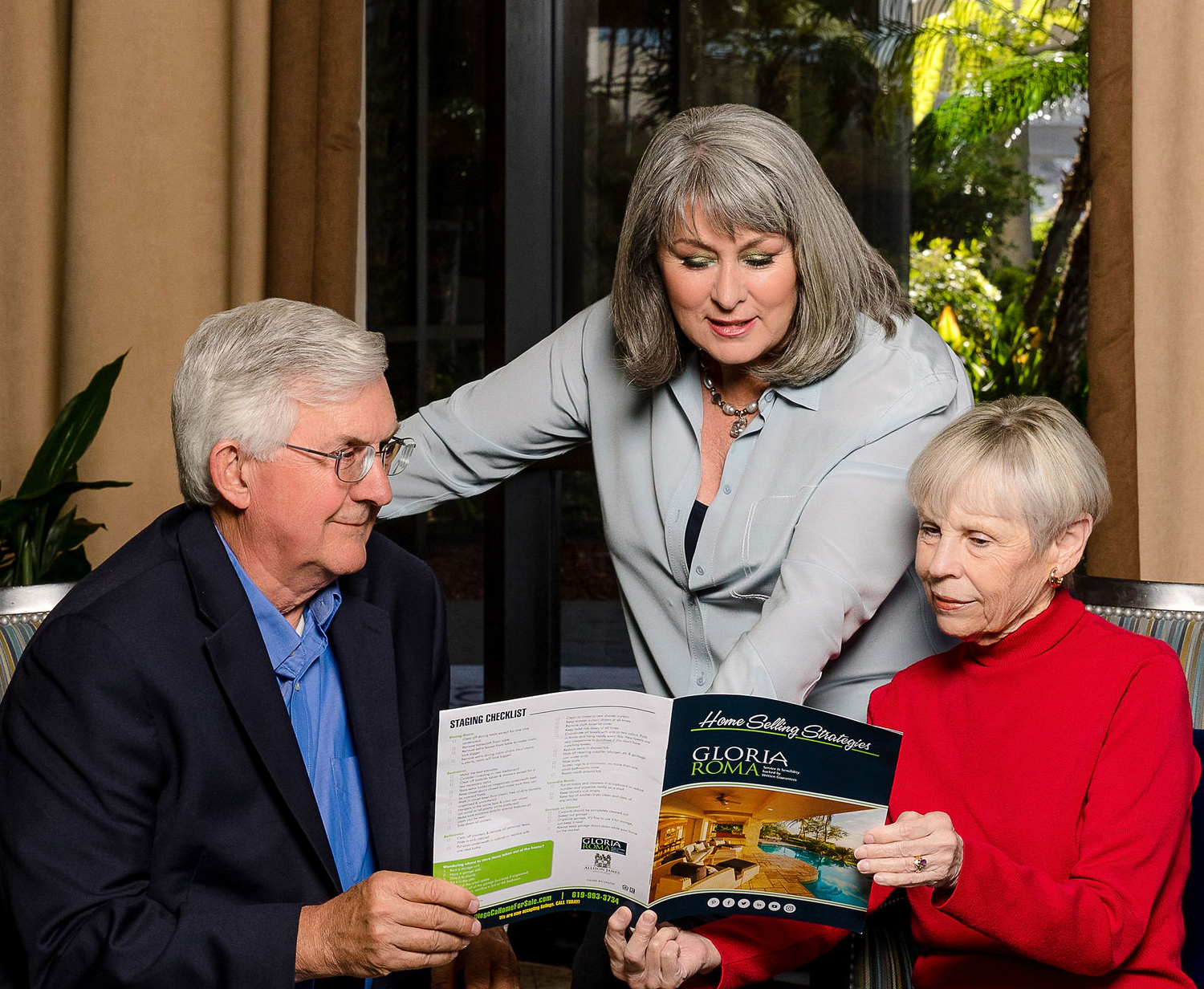
    Gloria Roma helping seniors move
    Gloria Roma works with adult children of seniors when navigating inherited real estate holdings.


    Gloria is an accomplished Realtor with over 28 years of cumulative experience in real estate and finance. If you’re buying, Gloria knows how to help you, having been awarded as the TOP 3 Buyers Agent in America. If you’re selling, her showcased estates SELL for up to 18% higher with Gloria’s Proven Home Selling System.

    DRE #01243709


    Our Communities


    © 2025 · Equity Framework
    This information is deemed reliable but not guaranteed.  You should rely on this information only to decide whether or not to further investigate a particular property.  BEFORE MAKING ANY OTHER DECISION, YOU SHOULD PERSONALLY INVESTIGATE THE FACTS (e.g. square footage and lot size) with the assistance of an appropriate professional.  You may use this information only to identify properties you may be interested in investigating further.  All uses except for personal, non-commercial use in accordance with the foregoing purpose are prohibited.  Redistribution or copying of this information, any photographs or video tours is strictly prohibited.  This information is derived from the Internet Data Exchange (IDX) service provided by Sandicor®.  Displayed property listings may be held by a brokerage firm other than the broker and/or agent responsible for this display.  The information and any photographs and video tours and the compilation from which they are derived is protected by copyright.  Compilation © 2016 Sandicor®, Inc.

    Listings Sitemap · Accessibility · Log in